Production-line equipment
Discuss equipment and supporting-material shipments for businesses operating or setting up production in Indonesia. Cargo details and import arrangements require review.

Coordinate equipment and project-material shipments from China to Indonesia, connecting cargo preparation, customs review and the site-delivery plan.
PLAN AROUND THE PROJECT
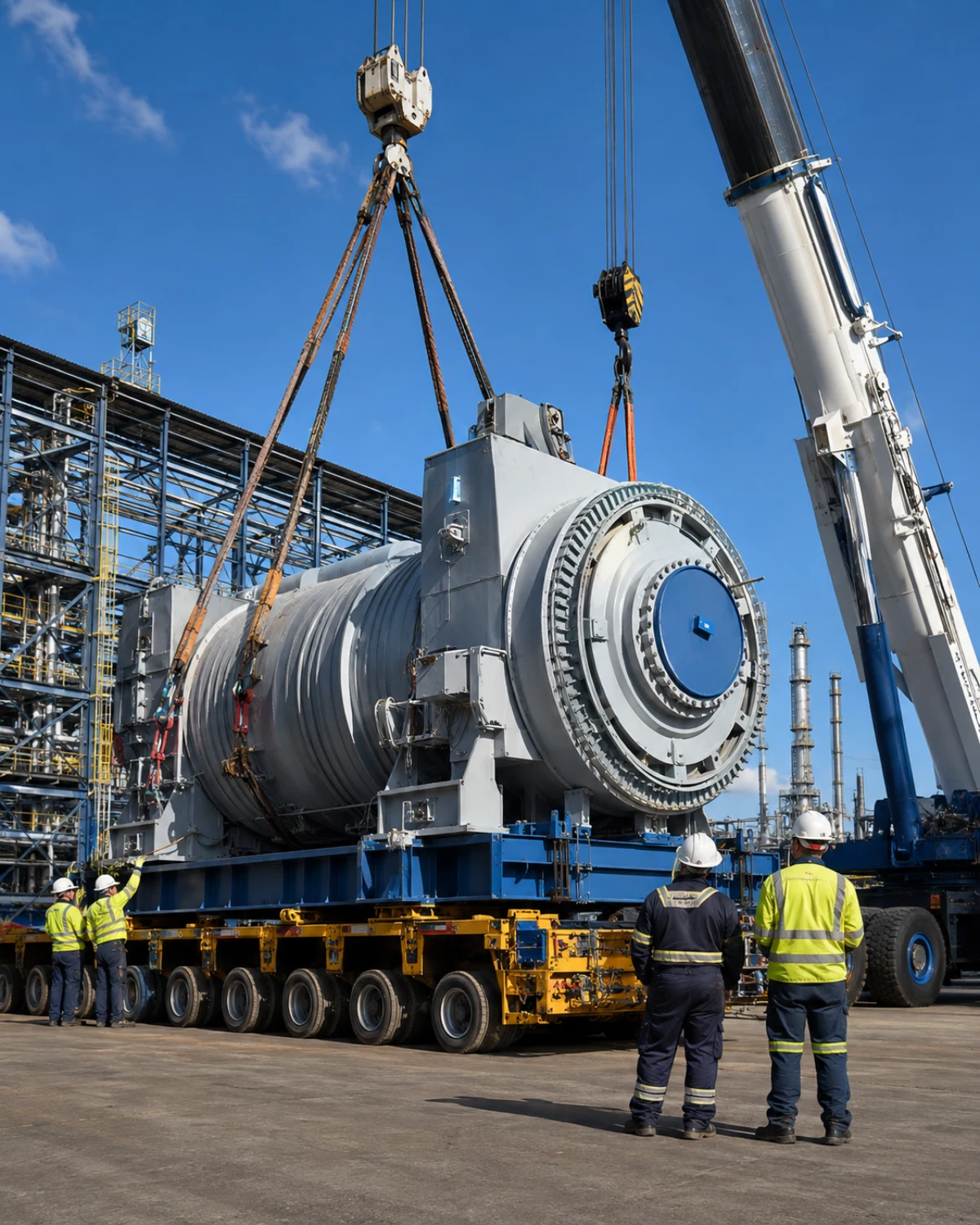
For EPC contractors, engineering suppliers and manufacturers, the cargo plan needs to connect with import requirements and the receiving site. Define the scope before the goods move.
Discuss equipment and supporting-material shipments for businesses operating or setting up production in Indonesia. Cargo details and import arrangements require review.
Bring specifications, intended use and available documents into the planning discussion so classification, entry requirements and delivery can be assessed together.
Connect engineering materials with the project’s receiving priorities, shipment readiness and agreed site handovers. Special cargo is assessed before acceptance.
PROJECT COORDINATION
Identify the links between cargo, documents and commercial responsibilities before agreeing the logistics plan.
These are coordination topics, not automatic inclusions or guaranteed outcomes. Any tax, settlement or financing service requires separate confirmation of provider, eligibility and scope.
Share the cargo schedule, available specifications and receiving requirements. This helps align the transport scope with the people and documents needed at each stage.
Flag requirements that may affect acceptance, responsibilities or timing.
Cargo acceptance, permits, equipment requirements, responsible parties and project timing must be confirmed after assessment.

SHIPMENT COORDINATION
Bring the equipment or material list, route and receiving priorities together to identify the questions that need resolving before shipment.
Discuss the document, customs, transport and site requirements. Confirm the parties responsible for each part of the agreed arrangement.
Review the quotation, cargo readiness and proposed delivery sequence. Project-specific timing is confirmed after review, not taken from a standard route estimate.
Connect the relevant freight, clearance, warehouse and local operating partners around the confirmed project plan.
COMMON QUESTIONS
The project focus includes production-line equipment, steel, building materials and engineering supplies for Indonesia. This is not automatic acceptance of all equipment or cargo; provide specifications, weights, dimensions and intended use for assessment.
Share cargo readiness, proposed batches and the site’s receiving priorities. The shipment sequence and handovers can then be discussed as part of the project plan. Timing and available arrangements must be confirmed after review.
Do not assume specialist vehicles, cranes or unloading are included. Declare dimensions, weights, site access and handling needs so the equipment, responsible parties and charges can be assessed and agreed.
Discuss cargo classification, entry requirements, customs documentation and inspection needs before shipping. Any applicable permits, service providers, responsibilities and approval conditions must be confirmed for the project; approvals are not guaranteed.
These topics appear in the company’s project-service materials and can be raised for project-specific review. The service provider, eligibility and lawful scope must be confirmed separately. No tax outcome, rebate amount, settlement arrangement or financing approval is promised.
No. Scope, cargo, route, document readiness and site requirements determine the plan. Project logistics quotations and timing are confirmed after assessment. The 48-hour preliminary quotation standard for complete routine enquiries is not an unconditional project quotation deadline.
Yanchao coordinates carriers, vehicles, warehouse resources and local operators. Project services do not imply ownership of ships, truck fleets, cranes or warehouses.
ENQUIRY RESPONSE
EXPLORE WHAT’S NEXT
Share the equipment list, route and receiving priorities with our team.